From Traditional to Real-Time - How We Transform an Insurance Company with Eventing
Abstract
Embark with us on the journey of transforming a 130-year-old insurance powerhouse from traditional batch processing to real-time event-driven architecture. This talk shares the practical experiences, challenges, and successes of implementing eventing and streaming at a German insurance company.
Business has the urgent need to adapt quickly and efficiently to new challenges and customer needs. For that reason, we implemented an event-driven architecture (EDA) based on verticals and microservices. This transformation goes beyond technology: it’s about changing mindset, processes, and organizational structures.
We’ll discuss the issues to be solved and hurdles to be taken in order to implement event-driven architecture in a complex enterprise landscape. You’ll hear about our approaches to communication, mindset change, technical enablement, training, governance, and onboarding processes.

Why Real-Time Matters for Insurance
Traditional insurance systems were built for a different era, one where batch processing overnight was sufficient. Today’s business demands are fundamentally different:
- Customer Expectations: Real-time responsiveness and hyper-personalized experiences
- Business Agility: Rapid adaptation to market changes and new opportunities
Event-driven architecture enables us to meet these demands while modernizing our technical landscape.
The Transformation Journey
Our Approach: Four Pillars
1. Communication & Mindset
- Regular workshops bringing IT and business together
- Sharing success stories and lessons learned across teams
- Creating a community of practice around eventing
- Transparent communication about challenges and solutions
2. Technical Enablement
- Central eventing platform based on Apache Kafka
- Architecture blueprints and guidelines
- Proof of Concepts in the enterprise environment
- Self-service capabilities for teams
3. Training & Knowledge Transfer
- Comprehensive training programs for developers and architects
- Domain-Driven Design workshops
- Hands-on labs and coding dojos
- Mentoring programs pairing experienced and new teams
4. Governance & Standards
- Event schema governance and versioning
- Quality gates and architecture reviews
- Reusable patterns and components
- Continuous improvement feedback loops
Key Insights
What Worked Well
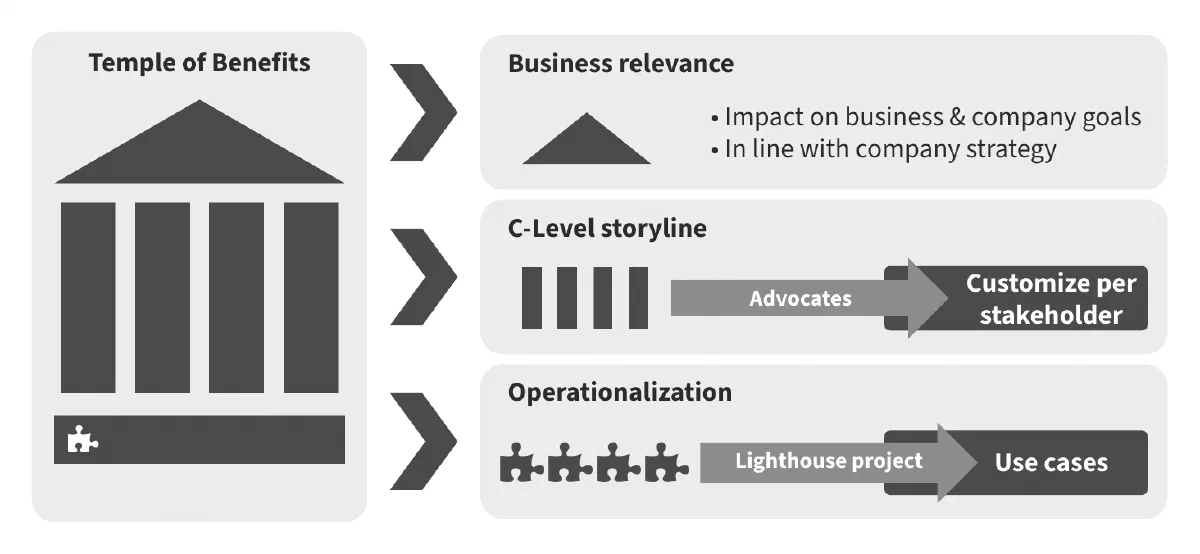
The key is communication. Stakeholder based communication is needed for the real transformation, in addtion:
- Lighthouse Projects: Starting with visible, high-value use cases built credibility
- Cross-Functional Teams: Including business stakeholders from the beginning ensured alignment
- Incremental Approach: Step-by-step transformation rather than big-bang migration
- Community Building: Creating networks of practitioners across the organization
The Impact
The transformation to event-driven architecture has delivered tangible benefits:
- Faster Time to Market: New features deployed in days instead of months
- Improved Customer Experience: Real-time processing and personalization
- Better System Integration: Decoupled, loosely-coupled services
- Enhanced Resilience: Better fault tolerance and system reliability
- Increased Reusability: Shared events and services across domains
Looking Forward
The journey from traditional to real-time is ongoing. As we continue to expand event-driven architecture across the company, we’re focusing on:
- Scaling the platform to more domains and use cases
- Enhancing our event governance and discovery capabilities
- Advancing our monitoring and observability
- Building the next generation of event-driven applications
This talk was held at inscom 2025 on September 23, 2025.
Speakers: Jens Müller, Fabrizio Lazzaretti
Links
Related Talks
- Eventing at a German Insurance Company: An architectural transformation journey - Our earlier presentation at Confluent Data in Motion Tour 2024
- Streaming & Eventing for Top Management - How to convince decision makers to support the transformation